California's Cannabis Labor Pains: A Shift in the Production Landscape
Recent workforce reductions at prominent California cannabis manufacturers signal deeper systemic pressures within the industry.
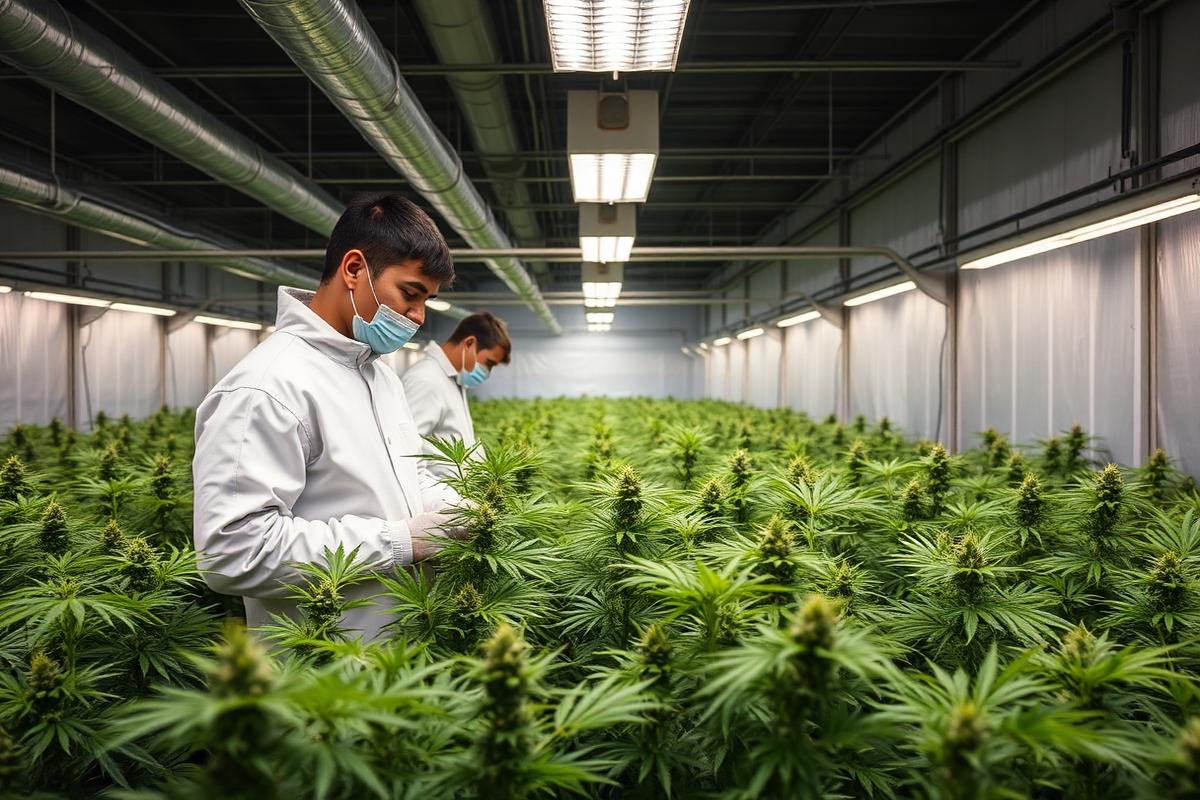
The Golden State’s cannabis sector, often seen as a bellwether for the national market, is currently navigating turbulent waters, as evidenced by significant staff reductions at two notable California manufacturing facilities. These layoffs, primarily impacting production technicians, reflect a broader economic recalibration across a market struggling with high taxes, regulatory complexities, and fierce competition. For many of these skilled laborers, their livelihoods are intertwined with a nascent industry striving for stability and profitability.
The implications of these workforce adjustments extend beyond the individual companies, touching upon the critical role of organized labor within the evolving cannabis landscape. A substantial portion of the affected employees are represented by United Food and Commercial Workers Local 5, underscoring the union's commitment to advocating for fair labor practices in an industry still finding its footing. The involvement of such a powerful union highlights the growing maturity of cannabis as a legitimate economic force, requiring robust labor protections akin to other established sectors.
This trend spotlights the ongoing tension between rapid growth and sustainable operational models in cannabis. As companies mature, the imperative to streamline operations and optimize efficiency often clashes with the employment surges characteristic of a burgeoning market. What we are witnessing is not merely a cyclical downturn but potentially a market correction, where the euphoria of early expansion gives way to the stern realities of mass production and sustained financial viability. The industry's ability to weather these challenges while maintaining a commitment to its workforce will define its long-term trajectory.